From Design to Application: Functional Metallic Materials
Kim-Go Laboratory develops biomedical shape memory and superelastic alloys as well as low-modulus alloys for medical and industrial applications. We also use experimental and computational data with machine learning to discover new alloy compositions and establish design guidelines for targeted functions. Our work integrates alloy fabrication, mechanical and functional property evaluation, and electron-microscopy analysis down to the atomic scale to reveal relationships among composition, microstructure, and properties—and the origins of material functionality.
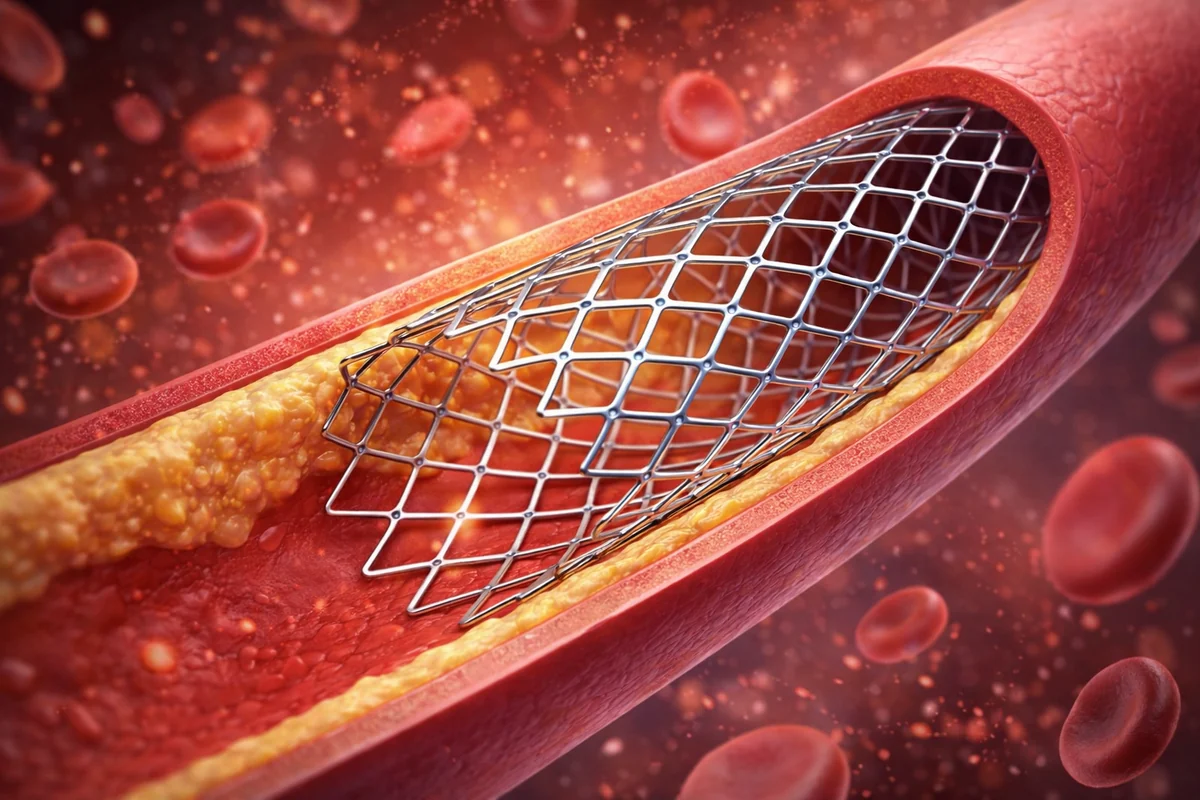
Development of Biomedical Shape Memory & Superelastic Alloys
We develop new alloys that combine biocompatibility with the shape memory and superelastic functions required for medical devices.
Explore research →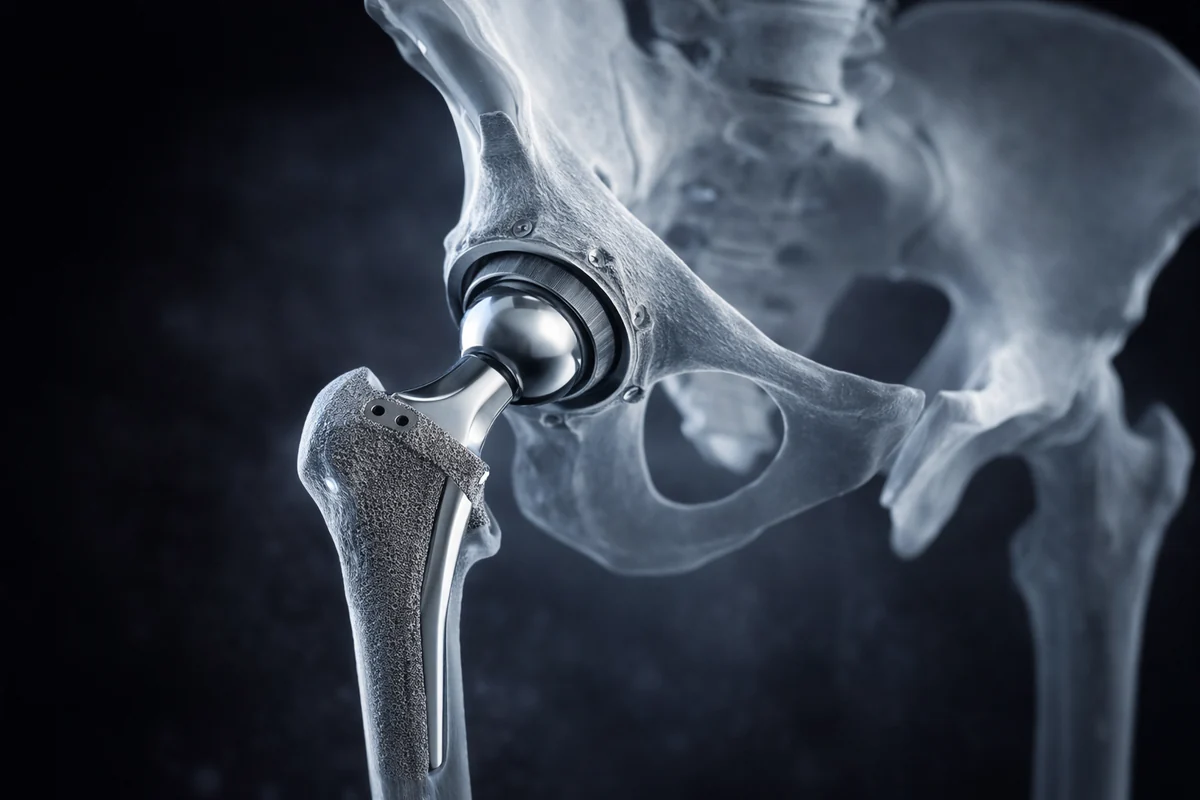
Development of Low-Modulus Alloys for Biomedical Use
We pursue low-modulus alloys with bone-compatible flexibility, strength, and durability to reduce stress shielding around implants.
Explore research →
Machine-Learning-Guided Functional Materials Design
We integrate experimental and computational data with machine learning to discover alloys with targeted transformation and elastic properties.
Explore research →Development of Biomedical Shape Memory and Superelastic Alloys
Shape memory alloys are widely used in medical devices such as guidewires, stents, and orthodontic archwires due to their shape memory and superelastic properties. Currently, Ti-Ni alloy (Nitinol) is the only commercially used material; however, concerns about Ni’s biocompatibility and long-term safety remain. Our research aims to develop various alloys with enhanced biocompatibility and mechanical performance.
Research on Low Young’s Modulus Alloys for Biomedical Applications
Pure Ti and other Ti-based alloys are widely used as implant materials due to their excellent biocompatibility. However, their higher stiffness compared with natural bone can cause stress shielding. Our research focuses on developing low-modulus alloys that minimize stress shielding while maintaining adequate strength and durability.
Development of High-Performance Metallic Materials Using Machine Learning
We apply machine learning to design high-performance biomedical and structural alloys, including Ti- and Zr-based alloys and high-entropy alloys. We focus on optimizing compositional regions for superelasticity and the shape memory effect, enabling next-generation shape memory alloys with enhanced martensitic transformation and elastic properties.